
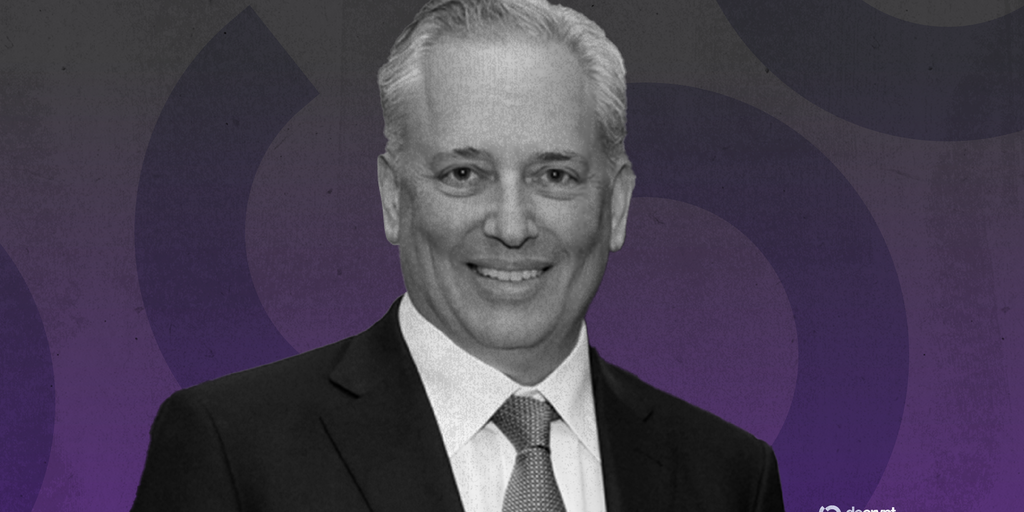

David Sacks has stepped down from his position as the White House’s AI and crypto czar after reaching the 130-day limit for special government employees. He confirmed his departure in an interview with Bloomberg on Thursday. Despite leaving the formal role, Sacks will remain connected to the administration as co-chair of the President’s Council of Advisors on Science and Technology, where he will advise on a wider range of technology issues.
During his tenure, Sacks played a significant part in shaping the Trump administration’s approach to digital assets. His work included pushing for market structure and stablecoin legislation, as well as backing the creation of a U.S. strategic Bitcoin reserve. He also advocated for clearer digital asset regulations and was critical of the previous administration’s approach, which he characterized as overly dependent on enforcement actions.
Several of the industry’s most anticipated reforms, however, remain unfinished. Sacks had previously suggested that market structure and stablecoin legislation could be passed within the administration’s first 100 days, but those efforts have faced resistance. Congress continues to debate the CLARITY Act beyond that original timeline, leaving key regulatory questions unresolved.
An early proposal to establish a permanent White House crypto council composed of industry leaders also failed to come together. According to prior reporting by Decrypt, internal disagreements within the industry complicated the plan, leading the administration to pursue periodic summits and an internal digital-assets working group instead. The shift reflected the difficulties of building consensus around a formal advisory structure.
Progress on the strategic Bitcoin reserve has similarly stalled. Discussions have shifted between whether the reserve should be built using seized digital assets or funded by selling a portion of the nation’s gold stockpile, and no clear decision has been reached. Sacks was involved in early conversations around both the reserve and a broader digital asset stockpile, both of which were framed as part of an effort to position the United States as a global hub for the crypto industry.
Before assuming the role, Sacks disclosed that he sold his personal crypto holdings to avoid potential conflicts of interest. He nonetheless continued to push for a more defined regulatory framework for the sector. He also repeatedly dismissed concerns raised by Democratic lawmakers and some industry participants regarding President Trump’s ties to World Liberty Financial, a decentralized finance firm majority-owned by the president’s sons.
With Sacks’ departure, the administration’s crypto policy agenda remains a work in progress. Lawmakers are still debating how digital assets should be regulated, including which agencies should have oversight of different market segments and how stablecoins should be governed. Sacks indicated he intends to continue contributing on artificial intelligence and broader technology strategy through his new advisory position, stating that the co-chair role at PCAST would allow him to make recommendations across an expanded range of technology topics.
Originally reported by Decrypt.