
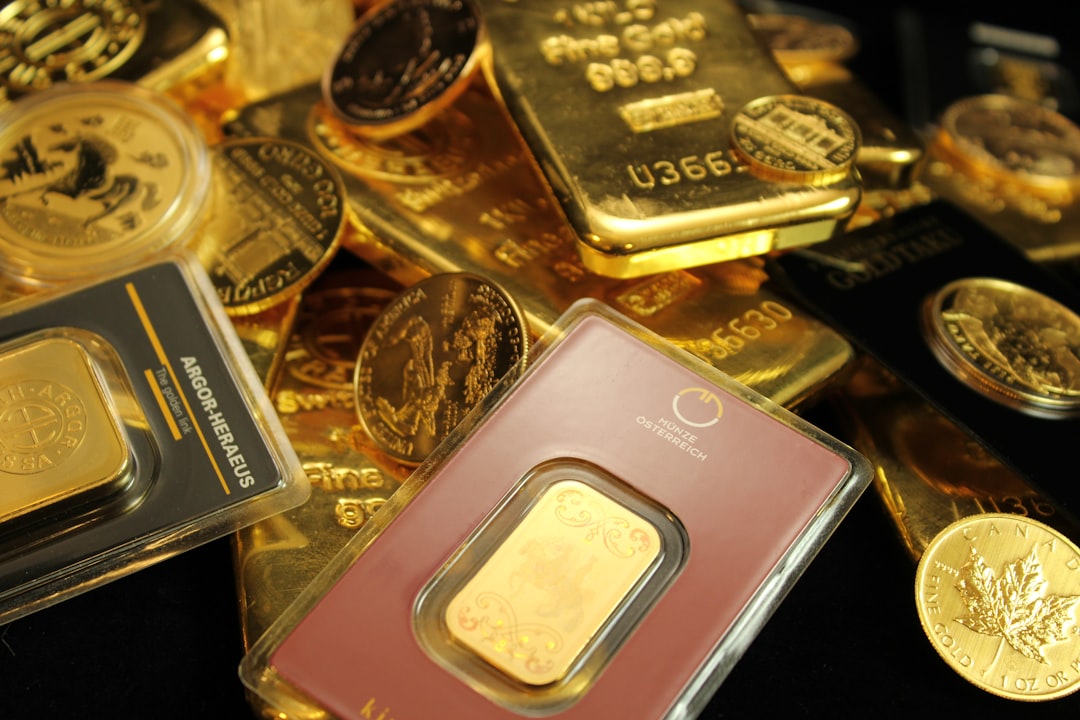

Gold is approaching bear market territory despite ongoing geopolitical tensions around the world. Higher interest rate expectations are reducing the metal’s appeal to investors, as are inflation pressures stemming from rising oil prices. The combination of these factors has placed significant downward pressure on gold’s market position.
When measured on an M2-adjusted basis, gold is currently trading near historical peak levels. This metric, which accounts for the broader money supply, provides a different perspective on the metal’s valuation compared to its nominal price. The distinction is relevant for investors assessing whether gold remains an attractive store of value in the current environment.
Bitcoin, by contrast, is described as being in a typical consolidation phase at present. Historically, such consolidation periods for the cryptocurrency have preceded new cycle highs, suggesting a different trajectory than the one currently facing gold. The divergence between the two assets highlights shifting dynamics in how investors approach alternative stores of value.
Rising oil prices are contributing to broader inflation pressures, which in turn are influencing expectations around interest rates. Higher rates generally reduce the attractiveness of non-yielding assets like gold, as investors can obtain returns elsewhere. This dynamic has historically been a headwind for the precious metal during periods of monetary tightening.
Geopolitical tensions, which have traditionally supported demand for gold as a safe-haven asset, appear insufficient on their own to offset the negative pressure from rate expectations and energy prices. The interplay between these competing forces is shaping the current outlook for the metal. Investors and analysts continue to monitor how these factors evolve in the near term.
Originally reported by CoinDesk.