
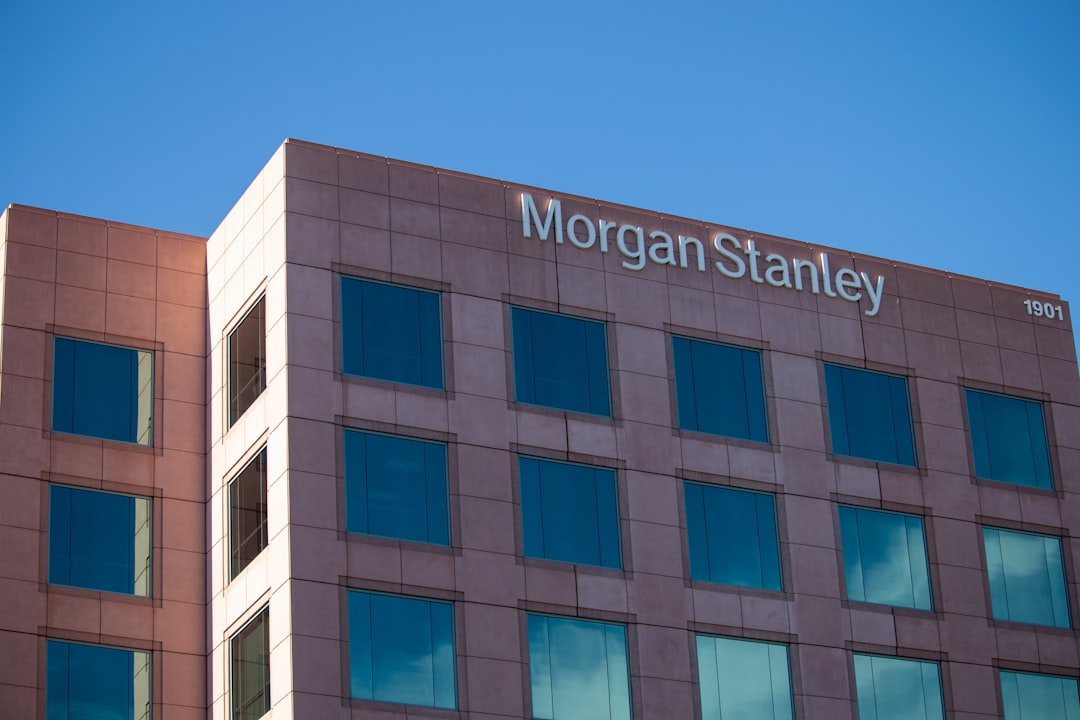

Morgan Stanley‘s head of digital assets, Amy Oldenburg, says the bank’s growing involvement in cryptocurrency reflects sustained, behind-the-scenes efforts to modernize financial infrastructure rather than a reactive rush to keep pace with competitors. Oldenburg’s remarks frame the institution’s digital pivot as deliberate and long in the making. The comments come as Wall Street’s broader engagement with digital assets continues to deepen.
The bank is broadening its digital asset strategy across several areas, including trading, asset management, and financial infrastructure. A key element of this expansion involves plans to support tokenized equities on its alternative trading system. That capability is expected to be introduced in the second half of 2026.
Oldenburg identified significant obstacles that remain even as institutional interest in digital assets grows. She pointed to the challenge of upgrading decades-old banking systems as a persistent barrier to progress. Coordinating changes across the global financial network adds another layer of complexity to these modernization efforts.
Despite these hurdles, interest in tools such as stablecoins is increasing, and institutional crypto activity is described as quietly building in the background. Oldenburg’s framing suggests that much of the foundational work underpinning this activity has been underway for some time without public visibility. The bank’s current announcements represent a more visible phase of that longer process.
The move by Morgan Stanley signals a broader shift among established financial institutions toward integrating digital asset capabilities into core operations. By targeting tokenized equities specifically, the bank is positioning itself at the intersection of traditional securities markets and emerging blockchain-based infrastructure. The timeline set for 2026 indicates that meaningful implementation is still some way off, though planning is already in progress.
Originally reported by CoinDesk.