
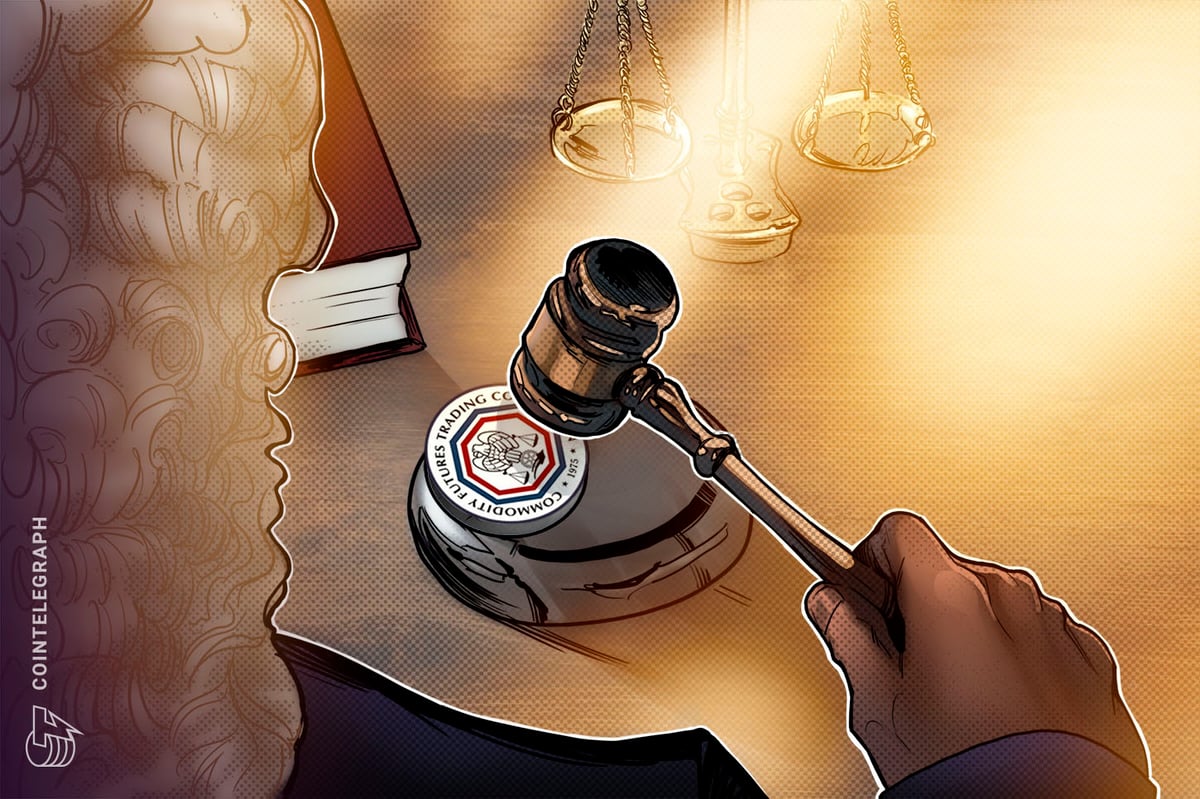

The Trump administration has filed separate lawsuits against Illinois, Connecticut, and Arizona, along with their respective gaming regulators, over the right to oversee prediction markets. The actions were brought jointly by the Commodity Futures Trading Commission and the US Department of Justice on Thursday. The suits mark a significant escalation in the ongoing dispute between federal authorities and state regulators over who holds jurisdiction over event contract platforms.
The conflict stems from actions taken earlier in 2025, when the three states sent cease and desist letters to prediction platforms, including Kalshi and Polymarket. State regulators argued that the event contracts offered by those platforms violated local gambling laws and licensing requirements. The federal government contends those state actions were an unlawful overreach into federally regulated territory.
The CFTC’s lawsuit targeting Illinois Governor JB Pritzker, Attorney General Kwame Raoul, and the Illinois Gaming Board argues that the board exceeded its authority by classifying event contracts as wagers or sports betting rather than asset swaps. The agency maintains that such contracts fall under its exclusive regulatory purview. The filing warned that without court intervention, the defendants would likely continue efforts to undermine federal law.
Across all three lawsuits, the CFTC asserts that it holds exclusive jurisdiction over Designated Contract Markets, which encompass prediction platforms, under the Commodity Exchange Act. The agency argues that Congress specifically granted it this authority and that state-level interference creates legal uncertainty for market participants. CFTC Chairman Mike Selig stated that the states’ aggressive attempts to overstep the agency’s authority have introduced market instability and risks for registered participants.
The federal legal action arrives amid broader scrutiny of prediction markets across the United States. A total of 11 states have pursued legal action against prediction market platforms, including Arizona, Nevada, Illinois, Maryland, New Jersey, Montana, Ohio, Connecticut, Tennessee, New York, and Massachusetts. The wave of state-level enforcement has created a fragmented regulatory environment for platforms operating nationally.
At the same time, lawmakers in Congress are advancing legislative proposals that would restrict certain types of event contracts. The proposals include measures that would ban sports-related event contracts and bar political insiders from participating in prediction markets connected to war. The combination of state enforcement actions and pending federal legislation signals a period of significant regulatory uncertainty for the prediction market industry.
Originally reported by CoinTelegraph.