
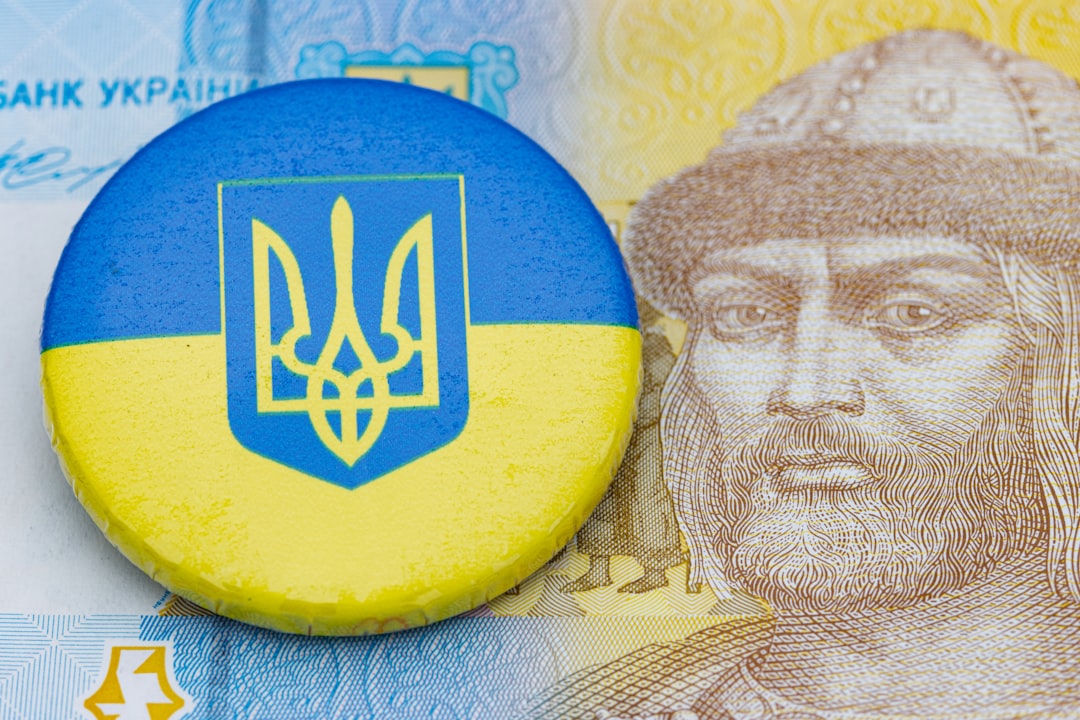

Ukraine‘s ongoing strikes against Russia‘s oil infrastructure have knocked out a critical alternative supply route that markets had been relying on to cushion the impact of disruptions linked to the conflict involving Iran. The damage to these facilities removes a buffer that traders and governments had counted on to stabilize global energy flows. The development marks a significant escalation in the economic dimensions of the broader regional conflict.
Oil prices have risen in response to the supply disruption, adding fresh pressure to an already strained global energy market. Higher energy costs are feeding directly into broader inflation concerns, with analysts warning that price increases could prove more persistent than central banks had anticipated. The situation is drawing renewed attention to the relationship between geopolitical instability and consumer prices.
The prospect of prolonged elevated inflation is prompting speculation about the future direction of monetary policy. Central banks that had been expected to ease interest rates may now face pressure to maintain tighter stances for longer. This shift in expectations is rippling across financial markets, affecting asset valuations in multiple sectors.
Bitcoin is currently trading within a range of $65,000 to $75,000, a band it has maintained amid the evolving macroeconomic backdrop. Analysts are increasingly pointing to macro factors, including inflation data and central bank policy signals, as key variables that could determine whether the cryptocurrency breaks out of this range. The digital asset’s price action is being watched closely as broader market sentiment shifts.
The convergence of energy market stress, inflation concerns, and tightening monetary policy expectations represents a complex set of challenges for investors and policymakers alike. Each of these factors is capable of influencing the others, creating feedback loops that are difficult to predict. Market participants are being urged to monitor developments across all three areas simultaneously as the situation continues to evolve.
Originally reported by CoinDesk.